It’s 4 a.m. at Chileno refugio, and the wind is howling. You pull on cold boots by headlamp, step out into the dark, and start climbing through the forest with a line of other lights bobbing ahead of you.
The last hour is brutal: a steep scramble up a moraine of loose boulders, your breath loud in your ears. Then you reach the top, and there’s a lake, grey-green in the dawn light, and above it, three towers of granite, straight and tall as cathedral spires.
You sit on a rock, shivering, and wait. And then the sun comes up behind you, and the towers turn pink, then orange, then gold, for about five minutes, while everyone on the moraine says absolutely nothing.
Blue towers at the end of the world
Torres del Paine National Park lies deep in Chilean Patagonia, close to the bottom of South America. The name mixes Spanish and a local word: torres means towers, and paine is thought to be an old Tehuelche word for blue.
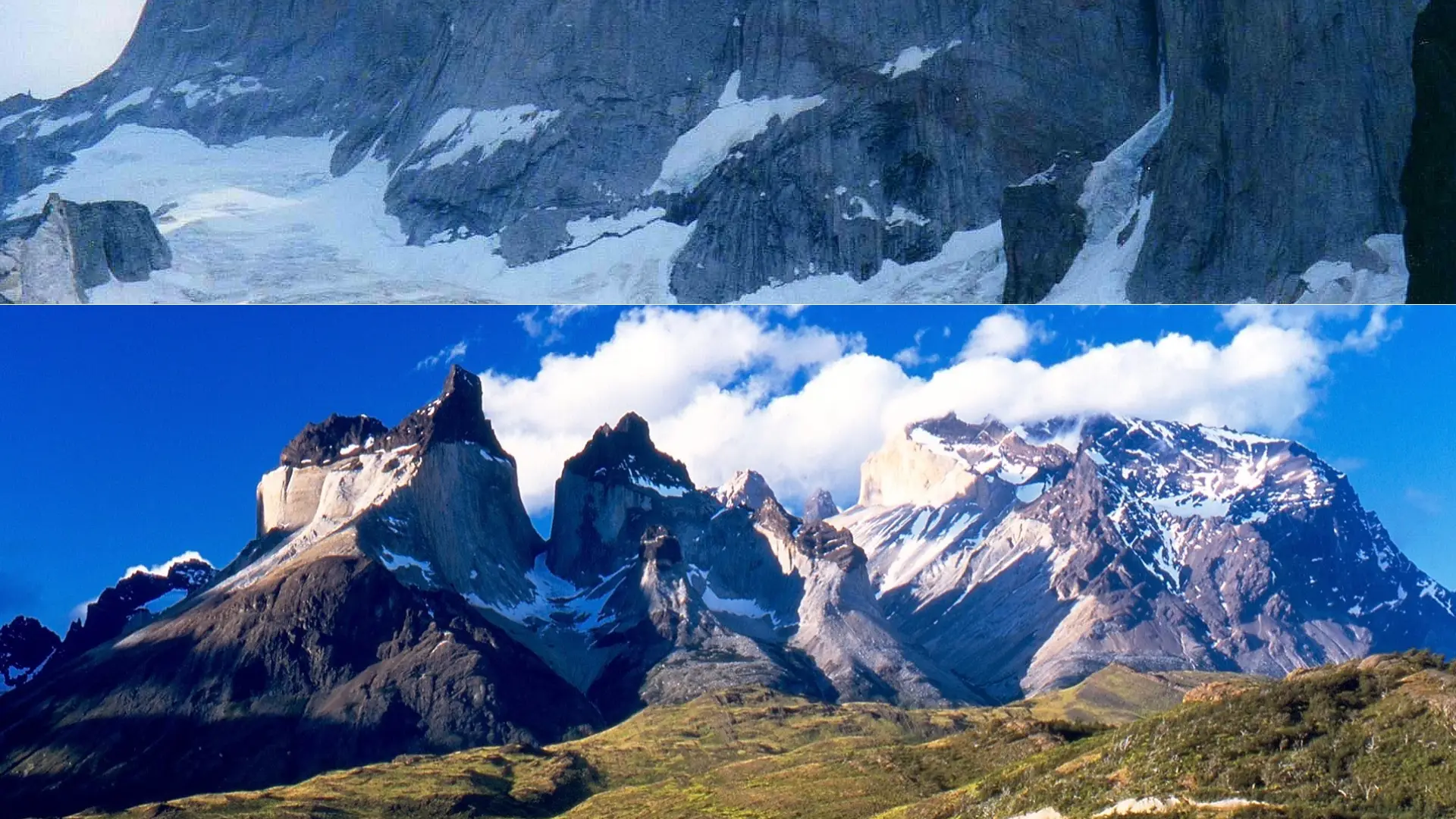
The park’s heart is the Paine Massif, a cluster of granite peaks that pushed up into older layers of dark sedimentary rock about 12 million years ago. That’s why the famous Cuernos del Paine (the Horns) are two-toned, with pale granite and black caps. Around them lie glaciers, waterfalls and lakes in unreal colors, from milky Lago Grey with its floating icebergs to the brilliant turquoise of Lago Pehoé.
The wildlife
- Guanacos, wild relatives of the llama, graze in herds along the roadsides and on the hills.
- Pumas live here in unusually high numbers. Specialist tracking tours give you a real chance of seeing one.
- Andean condors circle overhead on the wind.
- Rheas (ñandú), flightless birds like small ostriches, run across the steppe.
- Foxes, flamingos on the lagoons, and huemul, a rare Andean deer.
The treks
The W Trek (4–5 days) is the classic. It’s shaped like a W across the south side of the massif, with three arms:
- Base Torres: up the Ascencio Valley to the towers. Do it at sunrise if you can.
- The French Valley: into a deep valley between the Cuernos and Paine Grande, with hanging glaciers cracking and rumbling above you.
- Grey Glacier: along the lake to the huge blue face of the glacier.
The O Circuit (7–9 days) loops all the way around the massif, adding the wild, remote back side and the John Gardner Pass, with views over the vast Southern Patagonian Ice Field.
Day trips. Short of time? Do the Base Torres hike as a long day (about 18–20 kilometers round trip) and drive between the viewpoints at Lago Pehoé, the Salto Grande waterfall and Mirador Cuernos. Or take a boat across Lago Grey to the glacier.
Booking: the most important thing
Torres del Paine is popular, and the trail system is tightly managed.
- You must have confirmed reservations for every night on the W or the O, either in a refugio (mountain lodge, with dorm beds or tents, often with meals) or at a campsite.
- Different companies run different refugios, so you may need several bookings.
- For December to February, book months ahead.
- Buy your park entrance ticket in advance online.
- Guided trek packages that handle all the bookings are worth considering.
Weather
Patagonia’s weather is famous, and not in a good way. The wind can be ferocious, with gusts strong enough to knock you off your feet. In one day you can get sun, rain, hail and snow.
- Dress in layers with a proper waterproof shell.
- Waterproof your pack.
- Build in flexibility. If the towers are in cloud, try again the next morning.
Fires are strictly banned in the park. Two huge wildfires, in 2005 and 2011–12, were caused by careless visitors.
When to go
The main season runs from October to April.
- December to February: long days (light until 10 p.m. or later), warmest temperatures, but also the busiest and windiest time.
- November and March–April: fewer people, calmer winds at times, and in autumn the beech forests turn red and gold. Lovely.
- Winter (May–September): cold, snowy and very quiet, with some services closed. Guided winter trips are possible, and it’s the best season for spotting pumas.
Getting there
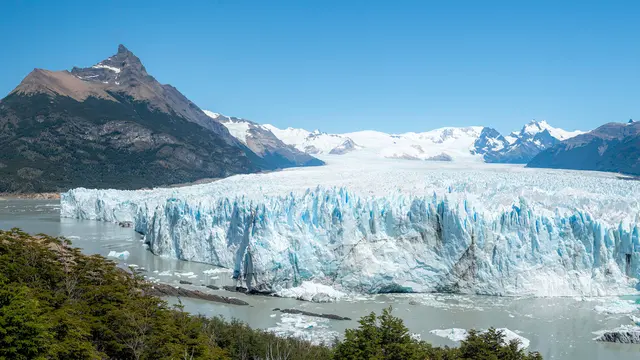
Fly to Punta Arenas or Puerto Natales from Santiago, then take a bus or transfer to the park. Puerto Natales is the base town, with outfitters, hostels and good restaurants. Across the border in Argentina, El Calafate is home to the Perito Moreno Glacier, and many trips combine the two.
The honest bits
It’s expensive, it takes planning, and the weather may hide the towers for days. The trail is busy in peak season, and the wind can be exhausting. But on that cold, quiet moraine, when the first light hits the towers and turns them pink, you’ll forget every gust that blew you sideways on the way up.
Torres del Paine: questions people ask
What is the W Trek?
The park's most popular multi-day hike, usually 4–5 days, shaped like a W. It visits the three highlights: the Base Torres viewpoint, the French Valley under the Cuernos, and Grey Glacier.
Do I need to book accommodation for the W Trek?
Yes. You must have confirmed reservations for refugios or campsites for every night on the trail. Book months ahead for December to February.
Can I see the towers without doing a multi-day trek?
Yes. The Base Torres hike is a hard day hike of about 18–20 km round trip, with a steep final scramble. Many people also see the towers from viewpoints along the park roads.
How windy is Torres del Paine?
Very. Gusts over 100 km/h are not unusual, especially in spring and summer. The weather can change from sun to rain to snow in an hour. Pack layers and a good shell.