The 7 Natural Wonders
No architect, no emperor, no workers hauling stone. Just ice, fire, water and a great deal of time. These are the seven places where the planet does the showing off.
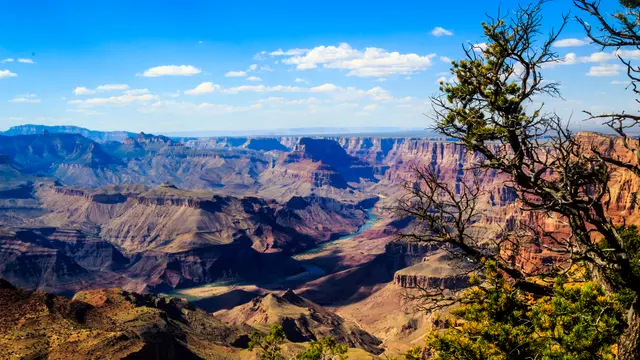
Grand Canyon
Two billion years of Earth's history, laid open by a river and lit on fire every evening.
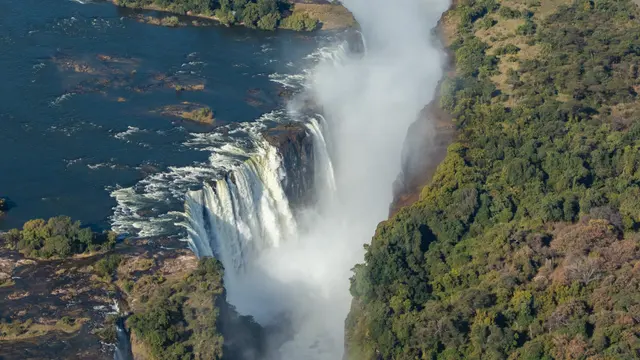
Victoria Falls
Mosi-oa-Tunya, the Smoke That Thunders: a mile-wide river falling into a crack in the Earth.

The Northern Lights
Curtains of green fire rippling across the Arctic sky. The only wonder with no fixed address.
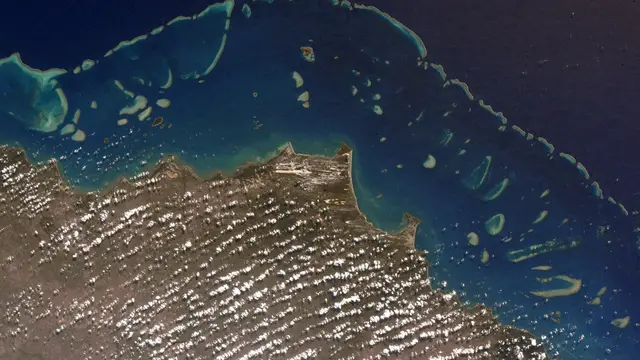
Great Barrier Reef
The largest living thing on Earth, a two-thousand-kilometer garden under turquoise water.

Mount Everest
The roof of the world, where the wind tears a white plume from the summit and the air has half its oxygen.
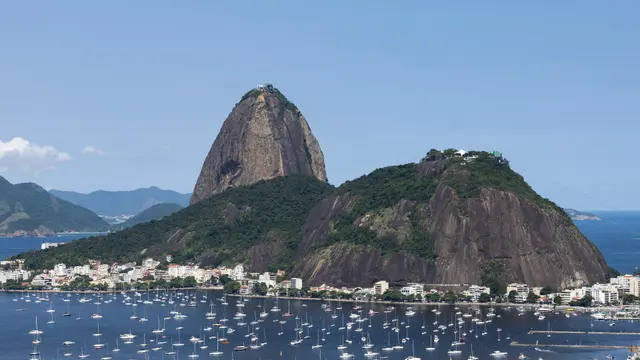
Harbor of Rio de Janeiro
Granite mountains rising from a blue bay, where the whole city stops to clap for the sunset.
Where this list comes from
The classic Seven Natural Wonders list was put together in 1997 by CNN and an expedition group, and travelers have used it ever since. It’s a strange, wonderful mix. There’s a canyon two billion years deep, a reef you can see from space, and a light show with no fixed address.
The seventh on the classic list is Parícutin, a volcano that rose out of a Mexican cornfield in 1943. It sits in the state of Michoacán, where several governments currently advise against travel, so we’ve left it out of our guides for now. We only write about places you can plan a trip to today.
Timing matters more than anywhere else
A cathedral looks the same in March and in July. The aurora, though, needs dark winter skies. Victoria Falls is a roaring wall of spray in April and a row of separate streams in November. The reef is at its clearest in the dry season. Each guide starts with the month that changes the whole experience.