Over the gate of Fort Lovrijenac, on a rock outside the walls of Dubrovnik, there’s an inscription in Latin. It reads:
Non bene pro toto libertas venditur auro.
“Freedom is not sold for all the gold in the world.”
For more than four centuries, the little Republic of Ragusa, as Dubrovnik was then called, lived by those words. It had no great army. Surrounded by empires, the Venetians, the Ottomans and the Habsburgs, it survived by cleverness, diplomacy and trade, paying tribute when it had to, and building some of the strongest city walls in Europe.
Its flag carried a single word: LIBERTAS.
The Pearl of the Adriatic
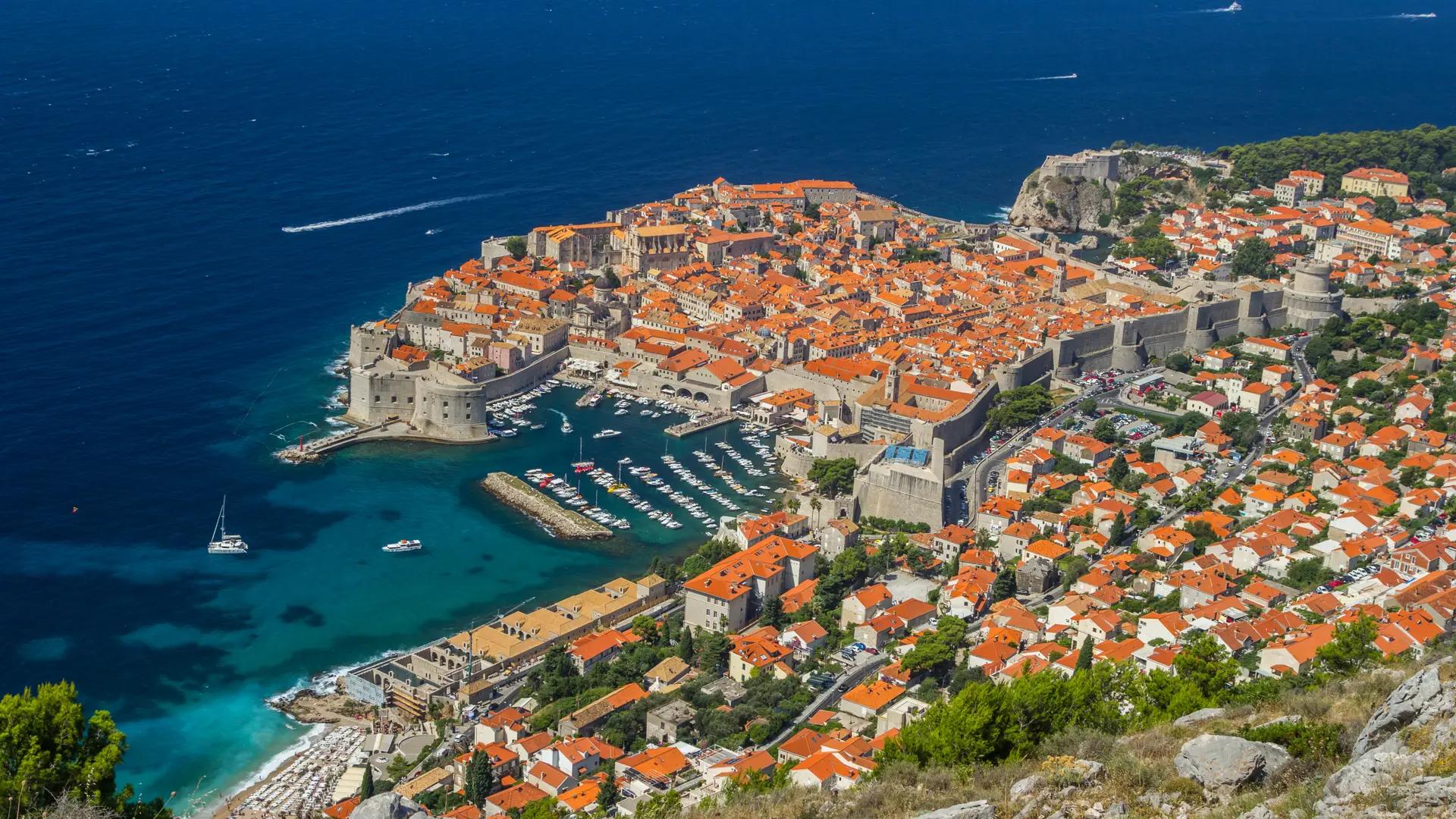
Dubrovnik, on Croatia’s southern Dalmatian coast, is a city of white limestone streets, terracotta roofs and baroque churches, wrapped in massive medieval walls and surrounded on three sides by the deep blue Adriatic. The poet Lord Byron is often said to have called it the “Pearl of the Adriatic,” and the name stuck.
The Republic was a great maritime power, with a fleet of merchant ships, an early quarantine system and one of the first pharmacies in Europe, still open in the Franciscan Monastery. In 1667, a massive earthquake destroyed much of the city, which was rebuilt in the baroque style you see today. In 1808, Napoleon’s armies ended the Republic.
During the war of the early 1990s, Dubrovnik was besieged and shelled for months. Many roofs were hit. Look out over the city from the walls today, and you can see which are new: the brighter orange tiles. A map near the Pile Gate shows where the shells fell.
The Old Town is a UNESCO World Heritage Site.
The walls
Walking the city walls is the essential Dubrovnik experience. The full circuit is about 2 kilometers, with towers, bastions and constant views over the rooftops on one side and the sea crashing on the rocks on the other. Allow 1.5–2 hours, and go at opening or in the late afternoon. Tickets cost about €35, more than in many places, but they include Fort Lovrijenac.
The Old Town
- The Stradun, the main street, paved in limestone polished smooth as marble by centuries of feet. It shines in the evening light.
- The Rector’s Palace, where the elected rector lived during his one-month term. He couldn’t leave the palace without permission, to keep him from making secret deals.
- The Franciscan Monastery and its 14th-century pharmacy.
- Dubrovnik Cathedral and its treasury of relics.
- The Jesuit Staircase, modeled on Rome’s Spanish Steps, and familiar to Game of Thrones fans as the scene of the famous “walk of shame.”
Beyond the walls
The cable car to Mount Srđ, above the city, for a stunning sunset view over the Old Town and the islands.
Lokrum island, a 15-minute boat ride away, has botanical gardens, rocky swimming spots, a small salt lake, ruins of a monastery, and roaming peacocks. Local legend says Benedictine monks, forced to leave the island in the 1800s, cursed anyone who tried to own it. Nobody stays there overnight.
Sea kayaking around the walls and to Lokrum, with stops at hidden caves and beaches.
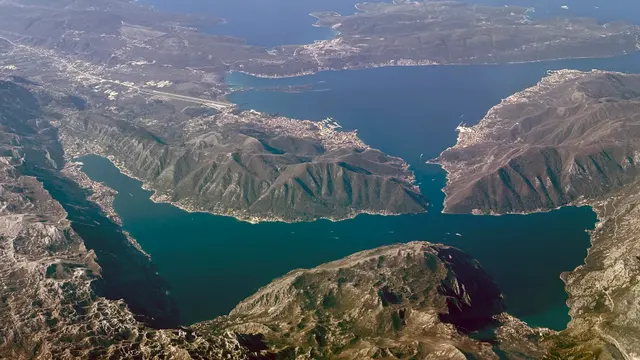
Day trips: the islands of Mljet and Korčula, the Pelješac wine peninsula, or the bay of Kotor in Montenegro.
Game of Thrones
Dubrovnik played King’s Landing in Game of Thrones, and the series brought huge crowds. Guided tours visit the filming locations, including Fort Lovrijenac (the Red Keep), the walls and Lokrum.
Crowds
On days when several cruise ships arrive, the Old Town can be packed between about 10 a.m. and 4 p.m. The city has taken steps to limit cruise numbers. Check cruise schedules for your dates, and plan around them: walls early, Lokrum or the beach at midday, and the Old Town again in the evening, when it empties out and the Stradun glows.
When to go
May–June and September–October are ideal: warm sea and fewer crowds. July and August are hot, busy and expensive. Winter is quiet and mild, with some places closed.
The honest bits
Dubrovnik is expensive, the walls ticket is steep, and in summer the Old Town can feel overrun. Prices for food and drink inside the walls are high.
But walk the walls at 8 a.m., with the sea glittering below and swallows diving between the towers, then find a quiet bar perched on the rocks outside the walls at sunset. You’ll understand why this tiny republic refused to sell its freedom for all the gold in the world.
Dubrovnik: questions people ask
When is the best time to walk Dubrovnik's walls?
At opening in the morning, or in the last hours before closing. Midday is hot and crowded with cruise groups. The full circuit is about 2 km and takes 1.5–2 hours.
How do I avoid the cruise ship crowds?
Check the cruise ship schedule for your dates, explore the Old Town early and late, and spend the middle of the day on Lokrum island, kayaking or at the beach.
Where are the Game of Thrones locations in Dubrovnik?
Dubrovnik played King's Landing. Fans visit the Jesuit Staircase (the 'walk of shame'), Fort Lovrijenac, the city walls and Lokrum island. Guided tours are available.