In 1925, a smooth-talking con man named Victor Lustig read in a Paris newspaper that the Eiffel Tower was costing the city a fortune in repairs. He had an idea.
He forged government stationery, invited a handful of scrap-metal dealers to a secret meeting in a luxury hotel, and told them, in strictest confidence, that the government had decided to tear down the tower and sell it for scrap. They were to submit sealed bids.
One dealer paid him for it, and then was too embarrassed to go to the police. So Lustig came back a few months later and tried to sell it again.
The Eiffel Tower is still standing. And people are still falling for it.
The tower everyone hated
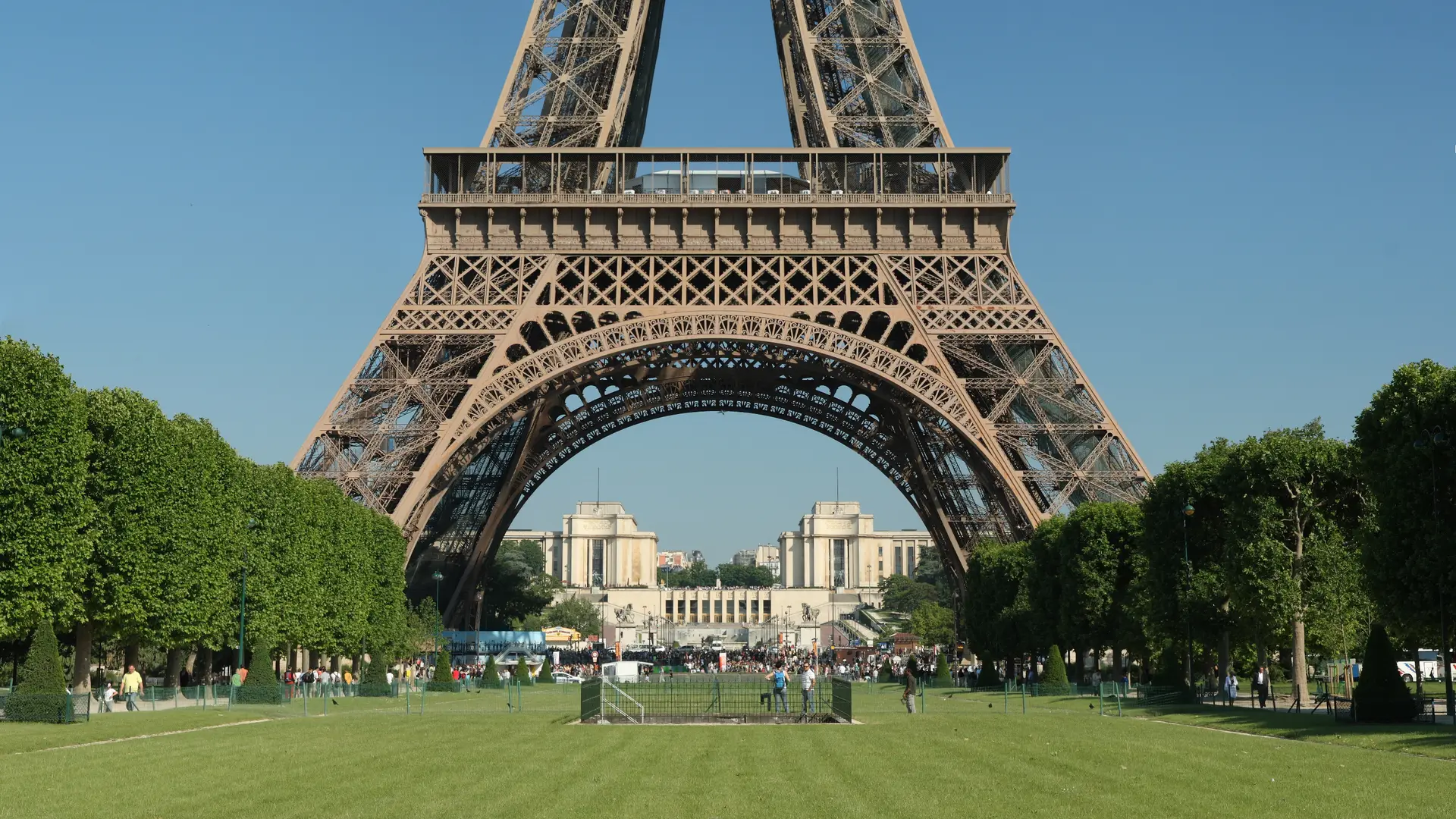
The tower was built for the 1889 World’s Fair in Paris, marking 100 years since the French Revolution. The design came from engineers at Gustave Eiffel’s company, which also built the iron frame inside the Statue of Liberty. It took just over two years to build, using about 18,000 iron parts and 2.5 million rivets.
At about 300 meters, about 330 today with its antennas, it was the tallest structure in the world until 1930.
Not everyone was impressed. Before it was even finished, a group of famous artists and writers published a furious letter calling it a “useless and monstrous” tower, a “gigantic black factory chimney.” The writer Guy de Maupassant, one of the signers, is said to have eaten lunch in its restaurant regularly, because it was the only place in Paris where he couldn’t see the tower.
It was meant to be dismantled after 20 years. It was saved because it proved useful as a giant radio antenna. Today it’s hard to imagine Paris without it.
Visiting
Levels:
- First floor: with a glass floor to look straight down.
- Second floor: the best views over Paris, close enough to see the details of the city.
- The summit, at 276 meters: windy, thrilling, and home to Gustave Eiffel’s restored private apartment, with wax figures of Eiffel and Thomas Edison.
Stairs or lift: you can climb 674 steps to the second floor. It’s cheaper, often quicker, and you see the ironwork up close. To get to the summit, you’ll need the lift from the second floor.
Tickets: book on the official website. Prices depend on the level and on stairs versus lift, from about €15 to €40. Security lines can still be long.
Restaurants: Madame Brasserie on the first floor, and the Michelin-starred Le Jules Verne on the second floor, reached by a private lift. A dinner here is a classic proposal setting.
The sparkle
Every evening after dark, at the start of every hour, the tower sparkles for five minutes with 20,000 flashing lights. It’s been doing it since the year 2000, and it never gets old. Watch it from the Trocadéro, from a boat on the Seine, or with a picnic on the Champ de Mars.
The best views of the tower
- Trocadéro: the classic postcard view across the river, best at sunrise when it’s empty.
- Champ de Mars: the long lawn beneath the tower, perfect for an evening picnic.
- Pont de Bir-Hakeim: an iron bridge with a view along the river.
- Rue de l’Université: a Paris street with the tower rising at the end.
- A Seine cruise at night, when the tower sparkles over the water.
- Montparnasse Tower: the best view of the tower, from the top of another tower.
When to go
Spring (April–June) and autumn (September–October) are lovely in Paris. Summer is busy. Winter is quieter, and a cold, clear night with the tower sparkling over an empty Champ de Mars is magical. Go early in the morning or late in the evening to avoid the longest queues.
The honest bits
The area around the tower is busy and full of souvenir sellers, petition scams and pickpockets. Keep your bags close. Lines can be long even with tickets, and the summit is often crowded and windy.
But find a spot on the Trocadéro steps after dark, wait for the hour, and watch the whole tower burst into glittering light. The artists who once hated it would probably be clapping too.
Eiffel Tower: questions people ask
When does the Eiffel Tower sparkle?
For five minutes at the start of every hour after nightfall, until the tower's lights go out late at night.
Should I take the stairs or the lift?
The stairs up to the second floor (674 steps) are cheaper and usually have shorter queues, and you see the ironwork up close. To reach the summit, you need a lift from the second floor.
Do I need to book Eiffel Tower tickets in advance?
Yes, especially for the lift and the summit in spring and summer. Book on the official website. Lines for security and lifts can still be long.
Where's the best view of the Eiffel Tower?
The Trocadéro across the river, the Champ de Mars, the Pont de Bir-Hakeim, the Rue de l'Université, and from a Seine boat at night.