At midnight, someone shakes your tent and says, “Tea time. Summit time.”
You’ve slept for maybe two hours, fully dressed, at about 4,600 meters. Outside it’s bitterly cold, maybe −15°C with the wind. You pull on every layer you own, swallow some porridge, and join a slow line of headlamps zig-zagging up the dark slope above you. Pole, pole, the guides say. Slowly, slowly.
It’s the hardest night of your life. Six hours of climbing in the dark, step after step, breath after breath, on loose volcanic scree. Then the sky starts to glow orange behind Mawenzi peak, and you reach the crater rim at Stella Point. An hour later you’re standing at Uhuru Peak, 5,895 meters, the roof of Africa, as the sun rises over a sea of clouds and the glaciers turn pink beside you.
People cry up here. Your guide has seen it a hundred times. He’ll still hug you.
The mountain
Kilimanjaro, in northern Tanzania near the Kenyan border, is the highest mountain in Africa and the tallest free-standing mountain in the world. It rises alone from the plains, about 4,900 meters above its base. It’s a dormant volcano with three cones: Kibo (the summit), Mawenzi and Shira.
Its snow and glaciers, so close to the equator, have fascinated people for centuries. They are shrinking fast. Some scientists expect them to disappear within decades.
The first recorded ascent was in 1889, by the German geographer Hans Meyer and Austrian climber Ludwig Purtscheller, guided by a young local man named Yohani Kinyala Lauwo. Lauwo went on to guide climbers on the mountain for many years and lived to a great age.
From jungle to ice
Climbing Kilimanjaro is like walking from the equator to the Arctic in a week. You pass through several distinct zones:
- Farmland and villages on the lower slopes, with coffee and bananas.
- Rainforest, misty and green, with colobus monkeys.
- Heath and moorland, with strange giant groundsels and lobelias like something from another planet.
- Alpine desert, a bare, rocky, lunar landscape.
- The arctic summit, ice, snow, glaciers, and the vast crater.
Choosing a route
- Machame: very popular and scenic, steep in places. Includes the famous Barranco Wall scramble. 6–7 days.
- Lemosho: starts in the remote west, quiet and very beautiful, with excellent acclimatization. 7–8 days.
- Marangu: the only route with hut accommodation, sometimes called the “Coca-Cola route.” Shorter itineraries have lower success rates.
- Rongai: approaches from the drier northern side, quieter and gentler.
- Northern Circuit: the longest and quietest, with the best acclimatization. 8–9 days.
The single most important decision: take more days. Longer itineraries give your body time to adjust to the altitude, and success rates are much higher.
Altitude
Altitude sickness is the main danger. Symptoms include headache, nausea, dizziness and exhaustion, and severe cases can be life-threatening.
- Walk slowly.
- Drink lots of water.
- Follow the “climb high, sleep low” pattern built into good routes.
- Tell your guide about any symptoms. Guides carry pulse oximeters and will turn you around if needed.
- Talk to a doctor before you go.
Costs and porters
Expect to pay roughly $2,000 to $5,000+ per person, including high park fees, guides, porters, cooks, food and equipment. Very cheap operators often cut corners on safety and on porter pay.
Porters carry the tents, food and gear up the mountain, often in hard conditions. Choose an operator that follows the Kilimanjaro Porters Assistance Project (KPAP) guidelines on fair wages, load limits, food and equipment. And tip properly at the end.
When to go
The best times are the dry seasons: roughly January to early March (colder, but clear) and June to October (dry, busiest). The long rains in April and May, and short rains around November, make trails muddy and views cloudy.
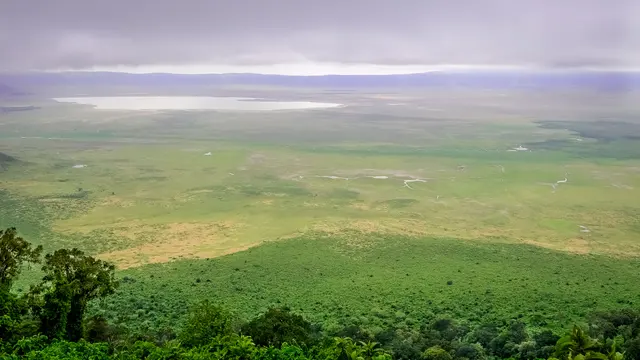
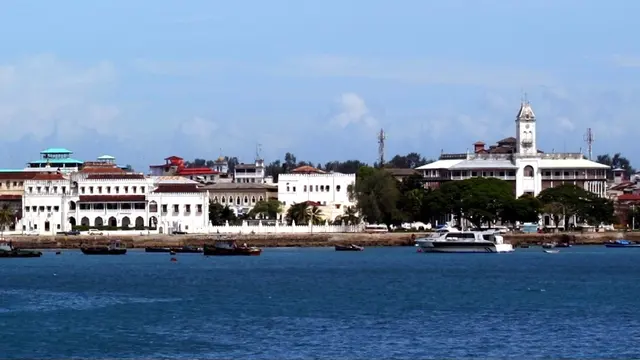
Most climbers fly into Kilimanjaro International Airport and stay in Moshi or Arusha. Many add a safari in the Serengeti or Ngorongoro, or beach time in Zanzibar.
The honest bits
It’s expensive, physically tough and very cold at the top. Not everyone makes it to the summit, and summit night is brutal. Popular routes can be busy in peak season.
But standing on the roof of Africa as the sun rises, with the glaciers glowing pink and the whole continent spread out below a sea of clouds, is something you’ll carry for the rest of your life. Pole, pole.
Mount Kilimanjaro: questions people ask
How hard is it to climb Kilimanjaro?
It requires no technical climbing, but altitude is the real challenge. The summit is 5,895 meters. Choosing a longer route of 7–9 days greatly improves your chances of reaching the top safely.
Which route is best for Kilimanjaro?
Lemosho and Machame are popular for scenery and acclimatization. Marangu has hut accommodation but a lower success rate on shorter itineraries. Rongai approaches from the drier north. The Northern Circuit is the longest and quietest.
When is the best time to climb Kilimanjaro?
The drier months, roughly January to early March and June to October. The long rains (April–May) make trails wet and muddy.
Do I need a guide to climb Kilimanjaro?
Yes. All climbers must go with a licensed guide and an operator. Choose one that treats porters fairly and follows ethical guidelines.